 (260) 493-2596
or Wall, Korte Does It All Heating, Cooling, Electrical, Plumbing

Furnace Failure in Extreme Cold: What Homeowners Should Do Immediately
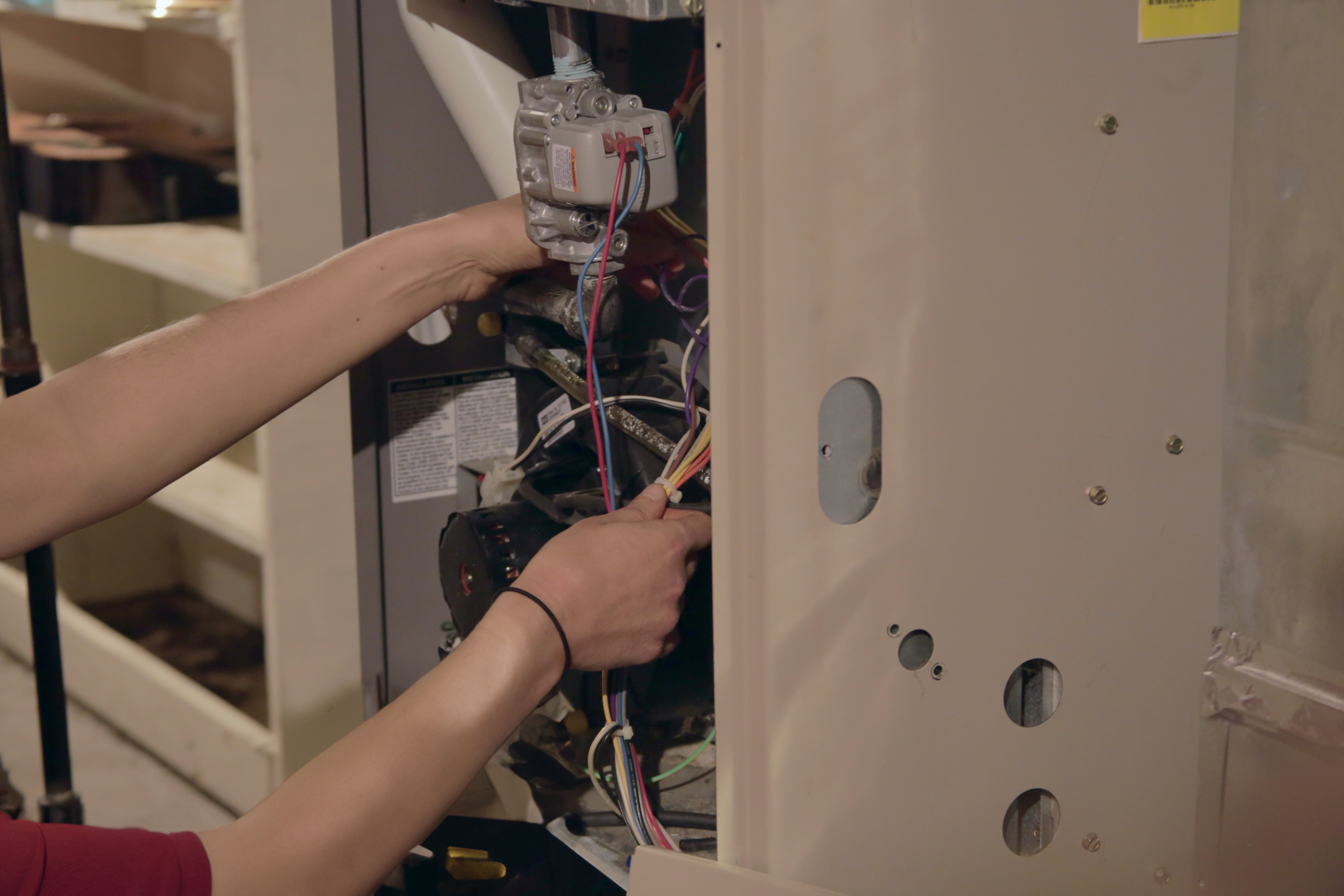
Extreme cold changes how fast a home can go from uncomfortable to unsafe. When outdoor temperatures drop below freezing, a working furnace becomes more than a comfort feature. Not only does it keep your home comfortable, but quality heating prevents frozen pipes, the need for unsafe alternative heating, and more.
Signs Your Furnace Has Failed or Is About to Fail
The most obvious sign that something is wrong with your furnace is a lack of hot air coming from the system. In some cases, the furnace may start and stop repeatedly without ever bringing the home up to a comfortable level. This short cycling often points to airflow problems, sensor issues, or internal components that are no longer working as they should.
Many modern systems also display error codes on the control panel or thermostat. These codes can point to problems like ignition failure or airflow restrictions. Sounds can also tell a story. Rattling, loud humming, or scraping noises often mean a part is loose or under strain. Burning smells, especially those that persist after the system has been running for a few minutes, should never be ignored. These signs can point to electrical issues or dust buildup on components that are overheating.
What to Do Immediately When Heat Goes Out
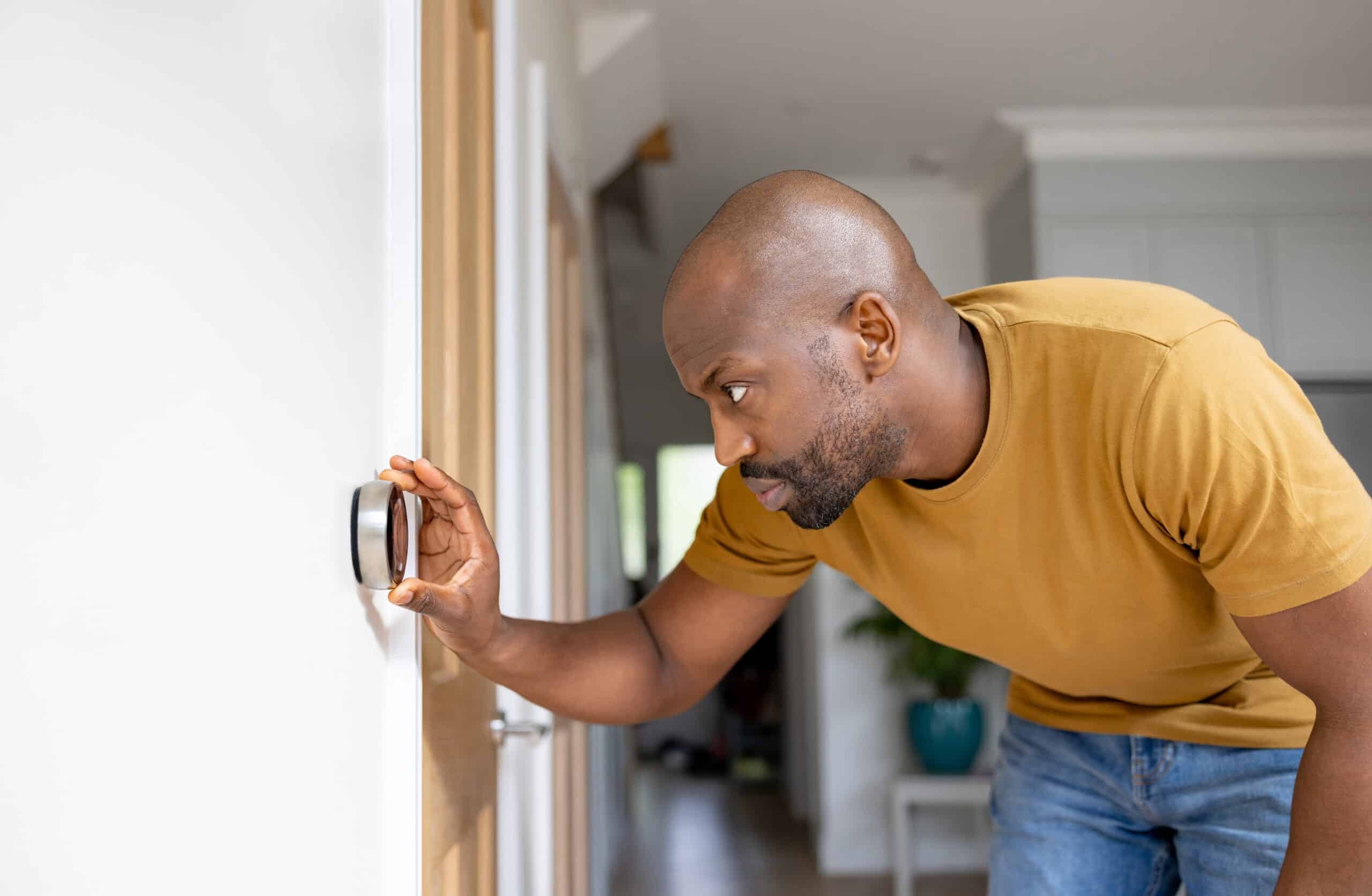
When the heat goes out, you need to prioritize safety. Look at the thermostat to confirm it is set to heat and that the temperature setting is above the current room reading. Check your electrical panel for any tripped breakers related to the heating system. If you reset a breaker and it trips again, stop there. Repeated resets can signal a deeper electrical problem.
To conserve heat, keep interior doors open to allow warm air to move freely through the home. Close curtains or blinds to reduce heat loss through windows. If you use temporary heat sources, follow safety guidelines closely. Space heaters should stay away from furniture, curtains, and walkways. Never use ovens, grills, or fuel-burning devices indoors.
There are also clear lines you should not cross. Do not attempt to adjust gas lines, open sealed furnace panels, or bypass safety switches. These steps can turn a furnace not working in cold weather into a dangerous one with fire or gas exposure risks.

How to Protect Pipes and Your Home While Waiting for Repairs
Plumbing becomes one of the first systems at risk when indoor temperatures drop. Open cabinet doors under sinks to allow warmer air to circulate around the supply lines. Letting faucets drip slightly can help keep water moving, which reduces the chance of freezing inside the pipes.
If the home begins to feel cold in multiple rooms, consider shutting off the main water supply as a precaution. This step can limit damage if a pipe bursts while you are waiting for service. Focus on sealing obvious drafts around doors and windows using towels or temporary barriers. Blocking off rooms that are not in use can also help keep heat concentrated in the areas you occupy most.
When to Call Emergency Furnace Repair
Some situations call for immediate professional attention. If you smell gas, hear hissing near the furnace, or see soot around vents or the unit itself, leave the home and contact your utility provider before calling for service. These signs can indicate a serious safety hazard.
Carbon monoxide concerns also fall into this category. Headaches, dizziness, or nausea combined with furnace trouble should be treated as a heating emergency. Fresh air and a quick exit from the home come first, followed by a call for professional assistance.
How to Prepare for Future Extreme Cold Events
Preparation starts long before the forecast shows a deep freeze. Routine system inspections help catch worn parts, airflow restrictions, and safety issues while conditions are still manageable. Knowing how your system behaves during normal operation makes it easier to recognize when something changes.
It also helps to have a clear plan for winter furnace breakdowns. Keep the contact information for a trusted furnace repair service where you can find it quickly. Talk with your household about where space heaters are stored, how to shut off the water supply, and which rooms are easiest to keep warm if the system goes down.
Act Fast to Stay Safe and Minimize Damage
Extreme cold leaves little room for delay when the heat stops. Quick action can protect your home from frozen plumbing, reduce safety risks, and keep a small system failure from becoming a major repair. At Korte Does It All Heating, Cooling, Electrical, Plumbing, we support homeowners in New Haven and the greater Fort Wayne area with inspections, emergency response planning, and professional repairs designed for cold-weather demands, so you are not making decisions under pressure.
If you want a reliable plan in place before the next cold snap, schedule furnace services with us today.
Recent Posts
 Get Same-Day Financing Approval With Wells Fargo Financing & Korte Does It All Heating, Cooling, Electrical, Plumbing
LEARN MORE
Get Same-Day Financing Approval With Wells Fargo Financing & Korte Does It All Heating, Cooling, Electrical, Plumbing
LEARN MORE
Recent Posts
Request Service
Fill out the form below, and we’ll contact you soon to schedule your home service appointment.
Request Service


Enroll in Our Peace of Mind Agreement
Routine Heating & Cooling
Maintenance Guaranteed
- Two system checks each year
- Priority service
- No overtime charges
- Product and service discounts