

 (260) 493-2596
or Wall, Korte Does it All

Frozen Pipes Prevention 101: Steps to Take Before Temperatures Drop
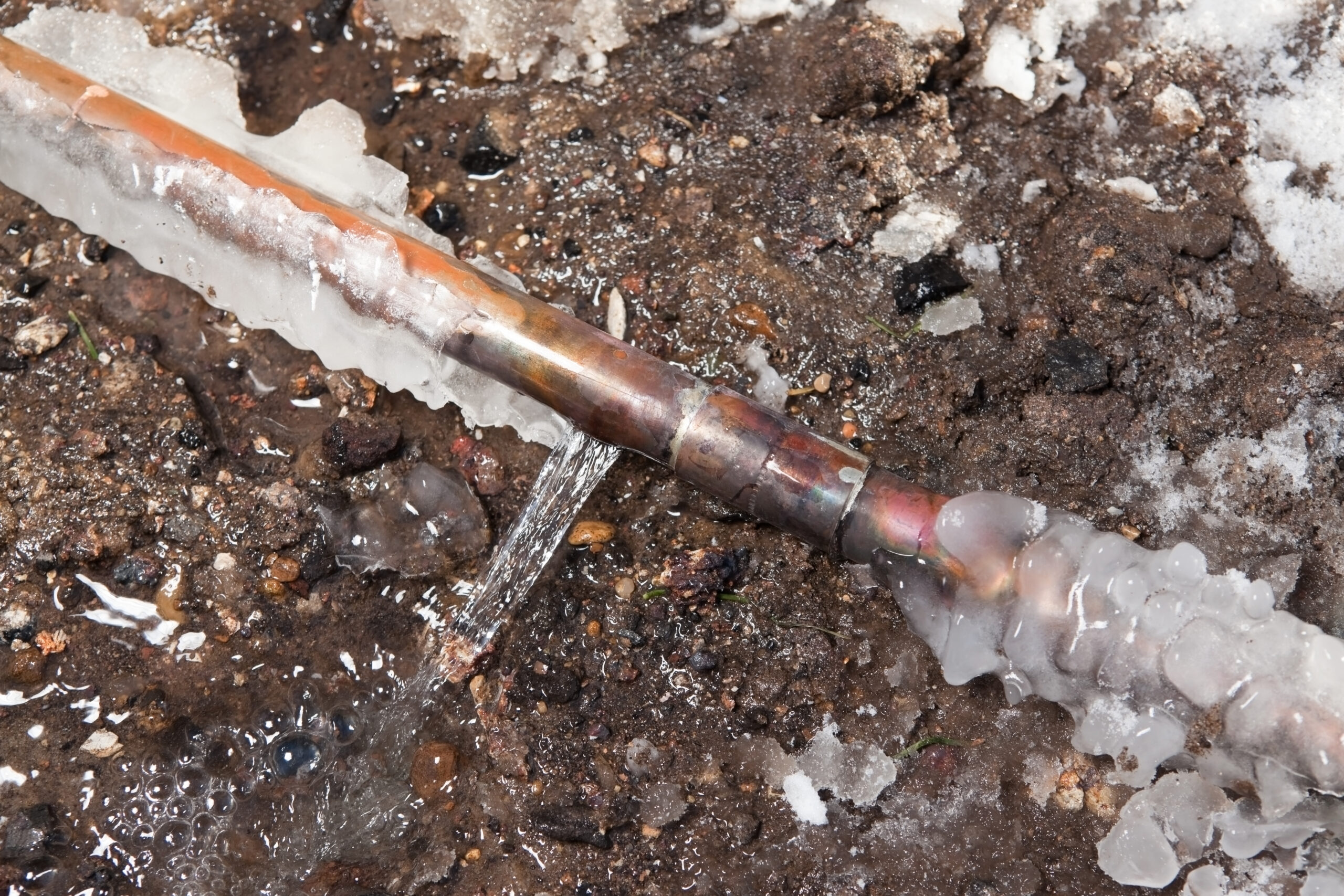
Winter in New Haven and the greater Fort Wayne area can arrive fast and hit hard. When temperatures plunge into the single digits, frozen pipes are one of the most expensive and stressful problems to face. A single burst pipe can flood walls, ceilings, and floors within minutes, leading to thousands of dollars in repairs. The good news is that frozen pipes are preventable when you know what steps to take before the cold settles in.
Why Pipes Freeze During Indiana Winters
Frozen pipes occur when water inside the pipe drops below freezing and turns to ice. As the ice forms, it expands, putting intense pressure on the pipe walls. That pressure causes cracks or full ruptures, especially in older plumbing systems.
Indiana winters create the perfect conditions for frozen pipes. Extended cold snaps, wind chills, and rapid temperature drops can overwhelm plumbing that is not properly insulated. Pipes located near exterior walls or in unheated areas will typically lose heat quickly, especially overnight when indoor temperatures drop and water usage slows.
Areas of Your Home Most at Risk
Certain parts of your home face a much higher risk of frozen pipes during winter. Basements, garages, and attics can lack consistent heat and insulation. Plumbing that runs through exterior walls or behind cabinets near sinks can also freeze faster than pipes located deep inside the home. Outdoor plumbing creates another major risk. Hose bibs, exterior faucets, and sprinkler lines can freeze solid when cold air reaches them. If water remains trapped in those lines, it can expand and break the pipe even if the interior plumbing stays warm.
Steps You Should Take Right Now to Prevent Frozen Pipes
Taking action early helps protect your home before the next cold front arrives. Start by insulating exposed pipes in unheated areas. Foam pipe insulation is relatively affordable, easy to install, and highly effective at slowing heat loss. Next, seal drafts around your home. Cold air entering through gaps around doors, windows, foundation cracks, or utility penetrations can lower temperatures inside walls. Weatherstripping, caulk, and expanding foam can block these drafts and keep plumbing warmer.
During extreme cold, let faucets drip, especially those connected to exterior walls. Moving water freezes more slowly than standing water and helps relieve pressure if ice begins to form. Open cabinet doors under sinks to allow warm air to circulate around plumbing. This simple step can prevent freezing in kitchens and bathrooms located along outside walls. Keep your thermostat set to a consistent temperature day and night. Lowering the heat too much overnight or while away can allow pipes to cool below freezing, even if the rest of the house feels comfortable during the day.
Early Warning Signs of Frozen Pipes
Recognizing early warning signs gives you a chance to act before pipes burst. Reduced water flow or no water coming from a faucet can indicate that ice is forming inside the pipe. You may also notice unusual noises such as banging, whistling, or gurgling when you turn on a tap. Frost on exposed pipes or a musty odor near walls can signal freezing behind the surface. Any of these signs should prompt immediate action.
What to Do If a Pipe Is Already Frozen
If you suspect a pipe has frozen, act quickly but carefully. Make sure to turn off the main water supply to prevent flooding if the pipe bursts. Open the affected faucet to relieve pressure and allow melting water to escape. Apply gentle heat to the frozen section using a space heater, heating pad, or warm towels. Always start warming near the faucet and move toward the frozen area. Never use open flames or blowtorches, as these can cause fires or damage the pipe.
The Cost and Damage of Burst Pipes
Burst pipes cause far more than temporary inconvenience. Water damage can destroy drywall, insulation, flooring, and personal belongings. Mold growth can begin within 24 to 48 hours, creating long-term health risks and expensive remediation needs. Repairing the plumbing itself is often only part of the cost. You can face thousands of dollars in restoration expenses after a freeze-related plumbing failure.
Trust Korte Does It All for Emergency Plumbing in New Haven
When frozen pipes strike, fast response matters. Korte Does It All provides 24/7 emergency plumbing services for New Haven homeowners and the surrounding Fort Wayne area. Our experienced technicians know how to safely thaw frozen pipes, repair damaged lines, and help prevent future freeze-related problems. If you want help preparing your plumbing for winter, contact Korte Does It All today.
Recent Posts

Recent Posts
Request Service
Fill out the form below, and we’ll contact you soon to schedule your home service appointment.
Request Service


Enroll in Our Peace of Mind Agreement
Routine Heating & Cooling
Maintenance Guaranteed
- Two system checks each year
- Priority service
- No overtime charges
- Product and service discounts